How to Choose a Cosmetic OEM ODM Manufacturer in China: A Guide for Indie Beauty Brands
Learn how to select the right cosmetic OEM ODM manufacturer in China. Compare formulas, MOQs, packaging, and compliance to launch your indie beauty line.
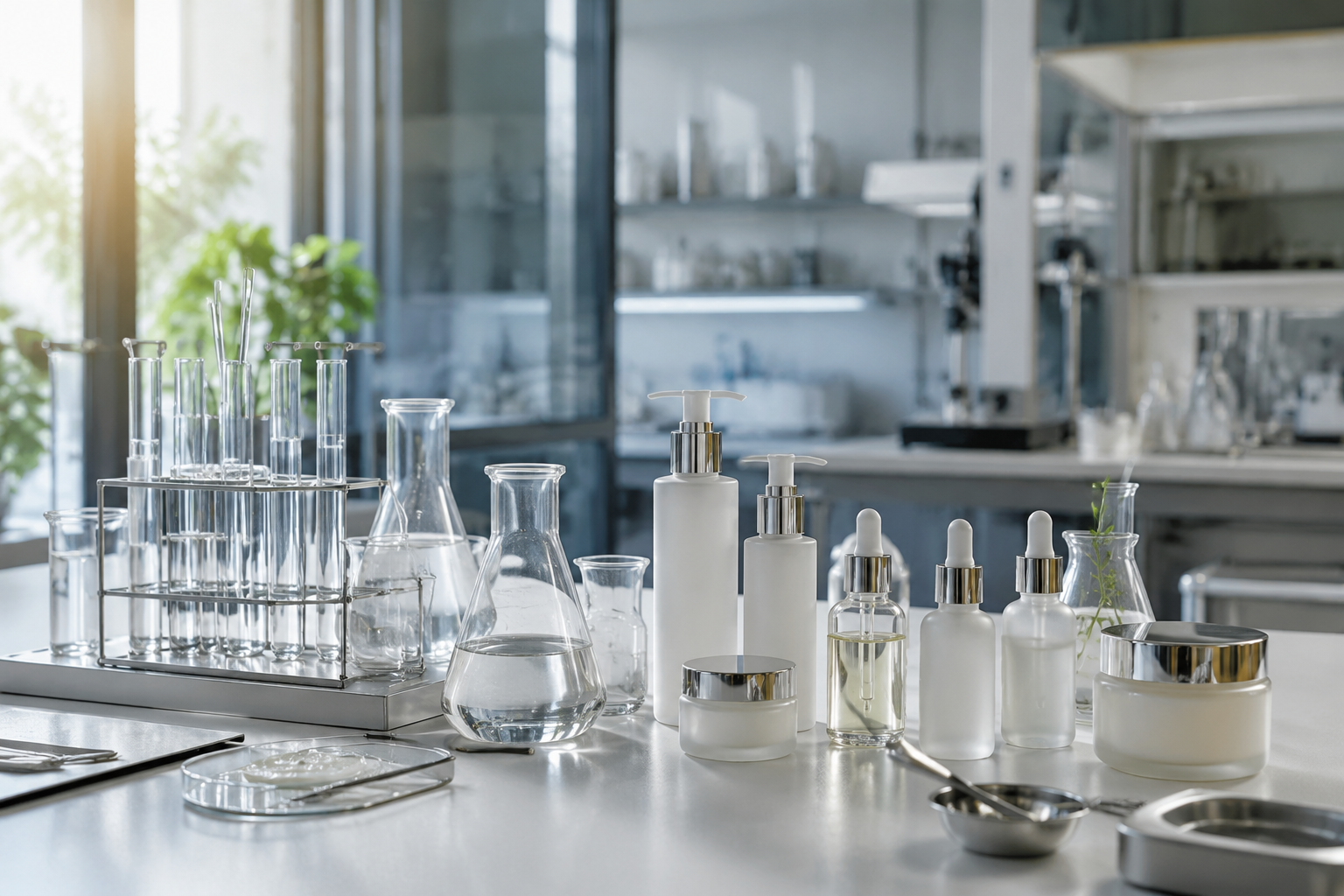
Why Sourcing a Cosmetic OEM/ODM Manufacturer in China is Crucial for Indie Brands
Selecting a reliable cosmetic OEM ODM manufacturer in China determines how fast an independent beauty brand can scale from concept to commercial launch. China houses the world's most concentrated cosmetic supply cluster. Raw ingredient synthesis, formulation laboratories, bottle blow-molding, and automated filling are located within adjacent industrial zones.
For indie brands with limited initial capital, this integrated ecosystem lowers unit costs and shortens production cycles. Sourcing manufacturing partners directly in China enables founders to test custom formulas and source proprietary packaging without managing separate suppliers across multiple countries. Brands looking for a full-scope partner can review turnkey contract manufacturing services to consolidate formula development, container sourcing, and batch production under one roof.
OEM vs. ODM: Which Manufacturing Model Fits Your Beauty Brand?
Before contacting suppliers, founders must clarify whether their project requires OEM (Original Equipment Manufacturing) or ODM (Original Design Manufacturing).
In an OEM model, the brand provides the exact formulation specs, active ingredient concentrations, and packaging blueprints. The factory handles bulk blending, stability testing, filling, and final assembly. This route suits brands that have proprietary chemical formulations or work with an independent cosmetic chemist.
In an ODM model, the manufacturer supplies ready-to-market formulas from its existing research library. The brand selects an established base, customizes key botanical extracts or fragrance notes, and selects stock packaging with custom screen printing or hot stamping. ODM reduces development lead times and initial lab testing costs. This setup suits founders who want to launch a curated skincare or color cosmetics line quickly. You can explore ready-to-brand bases and custom beauty products to see how existing formulations can be adapted for your line.
5 Essential Criteria for Vetting China Cosmetic Manufacturers
Vetting suppliers requires concrete verification across facility capabilities, compliance records, and communication standards. Look for these five criteria when assessing candidate factories:
- Cleanroom and production hygiene standards. Cosmetic manufacturing requires certified cleanrooms (ISO 22716 or GMPC Class 100,000 or Class 10,000) for batch compounding and filling. Ask for current facility audits and HVAC maintenance logs.
- In-house testing laboratory capabilities. Qualified factories operate on-site labs equipped for microbiological screening, heavy metal testing, freeze-thaw stability cycles, and preservative efficacy testing.
- Formula ownership and IP protection. Confirm in writing whether you will own the final formulation or receive an exclusive license for your target sales territories.
- Minimum order quantity (MOQ) flexibility. While standard mass production runs often require 5,000 to 10,000 units per SKU, specialized suppliers offer tiered pilot batches (500 to 2,000 units) for new formula launches.
- Transparent communication and project management. A dedicated bilingual formulation engineer or account manager prevents technical misunderstandings during sampling and regulatory review.
To understand how professional facilities structure their quality control and production lines, you can read about our laboratory standards and production infrastructure.
Formulation R&D and Packaging Sourcing: Managing Quality and MOQ
Packaging compatibility is one of the most common failure points in cosmetic production. Incompatible materials can cause container swelling, formula discoloration, or pump mechanism clogging.
When developing a new skincare or makeup line, coordinate formula R&D and container sourcing simultaneously. Request compatibility tests where the bulk formula is placed in the intended glass, PET, PCR (post-consumer recycled), or aluminum container under elevated temperatures (40°C to 45°C) for 12 weeks.
Packaging MOQs often dictate project timelines. While a liquid formula batch might have an MOQ of 1,000 units, custom molded glass bottles might require 10,000 units. To balance inventory risk, many indie founders use stock component shapes paired with customized outer finishes, such as soft-touch coatings, custom Pantone spray painting, or embossed labels.
Global Compliance & Certifications (FDA, EU, ISO) Checklist
Selling cosmetics internationally requires strict regulatory compliance before goods leave the factory floor. Different destination markets enforce distinct ingredient bans, testing protocols, and labeling mandates:
- United States: Compliance with the Modernization of Cosmetics Regulation Act (MoCRA), facility registration with the FDA, product listing, safety substantiation, and compliant ingredient disclosures.
- European Union and United Kingdom: Adherence to Regulation (EC) No 1223/2009, completion of a Cosmetic Product Safety Report (CPSR) by an EU-qualified safety assessor, and product notification via the CPNP portal.
- International manufacturing standards: Current ISO 22716:2007 (Cosmetics Good Manufacturing Practices) and GMPC certifications verifying clean manufacturing processes.
Ensure your supplier provides complete Certificates of Analysis (COA), Safety Data Sheets (SDS), and ingredient INCI lists with precise percentage breakdowns before placing production deposits.
Step-by-Step Process from Sampling to Mass Production
A disciplined production workflow minimizes unexpected delays and formulation revisions:
1. Project Brief and Target Formulation. Provide target textures, viscosity benchmarks, reference products, prohibited ingredients, and retail pricing targets. 2. Lab Sample Development. The laboratory produces 2 to 3 prototype iterations for sensory evaluation, scent balancing, and skin-feel adjustments. 3. Stability and Packaging Compatibility Testing. Accelerated 12-week stability tests, centrifuge tests, and container compatibility checks verify formula resilience. 4. Pilot Run and Golden Sample Sign-Off. A small pre-production run validates automated line filling, torque settings on bottle caps, and label alignment. 5. Mass Production and Quality Inspection. Full-scale batch blending, high-shear emulsification, automated filling, and secondary packaging undergo pre-shipment inspections. 6. Export Customs and Logistics. The finished cargo is palletized, packed with humidity absorbers, and cleared through customs with full export documentation.
- What is the typical lead time for cosmetic OEM and ODM production in China?
- Turnkey ODM projects using ready formulations usually take 4 to 8 weeks from packaging approval to finished goods. Custom OEM formulation projects require 12 to 16 weeks to account for R&D iterations, 12-week accelerated stability testing, and custom container fabrication.
- What are the standard minimum order quantities for custom cosmetics?
- Formula batch MOQs typically start between 1,000 and 3,000 units for standard skincare emulsions and serums. Packaging MOQs range from 1,000 units for digital-printed stock containers to 10,000 units for custom-molded glass bottles and components.
- How do international beauty brands protect their proprietary formulas in China?
- Brands should execute bilateral Non-Disclosure and Non-Use Agreements drafted under relevant commercial jurisdictions before disclosing formula specifications. Working with reputable facilities that separate formula compounding from packaging assembly provides additional IP safeguarding.
- Can Chinese cosmetic manufacturers handle MoCRA and EU CPSR compliance?
- Yes. Established export-oriented factories maintain full ingredient traceability, provide toxicological documentation, and supply the necessary stability data required for FDA MoCRA listings and EU Cosmetic Product Safety Reports.
Next Steps: Requesting Quotes and Prototype Samples
Launching a successful beauty product line starts with clear specifications and honest technical evaluation. Preparing a concise product brief that lists your desired product category, benchmark textures, primary active ingredients, target unit economics, and estimated launch timeline will help manufacturers provide accurate cost estimates and sample formulas.
If you are ready to evaluate textures or discuss custom packaging options, you can submit your project parameters on our inquiry and contact page to initiate formula prototyping and obtain production quotations.
Related Resources & Sourcing Links
Explore our turnkey manufacturing capabilities, ready formulation catalog, and compliance framework: